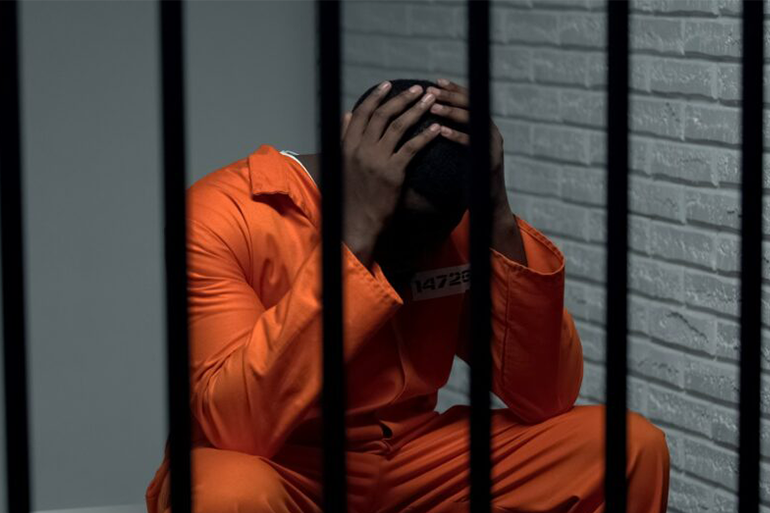
Wrongful convictions are a grave injustice affecting countless lives worldwide. In South Africa, the wrongful conviction of Zimbabweans is a pressing issue that sheds light on broader systemic flaws, racial prejudices, and socio-political dynamics within the criminal justice system. This blog post delves into the complexities surrounding the wrongful convictions of Zimbabweans in South Africa, exploring the causes, consequences, and potential solutions to this multifaceted problem.
The Context: Zimbabweans in South Africa
South Africa, the continent’s economic powerhouse, has long been a destination for immigrants seeking better opportunities. Among these immigrants, Zimbabweans constitute a significant portion, fleeing economic instability, political repression, and social turmoil in their home country. The exact number of Zimbabweans living in South Africa is hard to pinpoint, but estimates suggest there are between one to three million.
This influx has not been without its challenges. Zimbabweans often face xenophobia, discrimination, and marginalization in South African society. These challenges extend to the legal system, where biases and systemic flaws can lead to wrongful convictions, compounding the difficulties faced by this vulnerable group.
Causes of Wrongful Convictions Among Zimbabweans
Xenophobia and Racial Prejudices
Xenophobia and racial prejudices significantly contribute to wrongful convictions. Zimbabweans, like other African immigrants, often face suspicion and hostility from both the public and law enforcement officials. Stereotypes about immigrants being involved in criminal activities can influence investigations and judicial proceedings, leading to biased outcomes.
Language Barriers and Lack of Legal Representation
Language barriers and inadequate legal representation further exacerbate the risk of wrongful convictions. Many Zimbabweans in South Africa do not speak the local languages fluently, complicating their interactions with law enforcement and the judicial system. Moreover, limited financial resources often mean they cannot afford competent legal counsel, leaving them vulnerable to unjust treatment.
Flawed Identification Procedures
Flawed identification procedures, such as unreliable eyewitness testimony, can lead to wrongful convictions. Eyewitnesses may misidentify individuals due to stress, poor lighting, or inherent biases, and these identifications can carry significant weight in court. Zimbabweans, unfamiliar with local customs and faces, are particularly susceptible to being misidentified.
Coercion and Police Misconduct
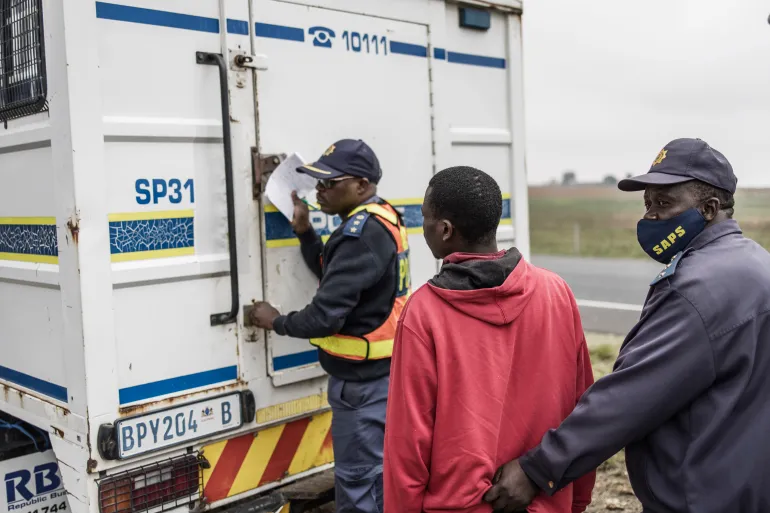
Reports of coercion and police misconduct are not uncommon in South Africa. Law enforcement officials, under pressure to solve cases, may resort to coercive tactics, including intimidation, physical abuse, or promises of leniency, to extract confessions from suspects. Zimbabweans, already marginalized and fearful of deportation, may be more likely to succumb to such pressure, resulting in false confessions and wrongful convictions.
Case Studies: Lives Upended by Injustice
The Case of Tendai Moyo
Tendai Moyo, a Zimbabwean national, was wrongfully convicted of robbery in Johannesburg. Despite a lack of concrete evidence, Tendai was convicted based on a shaky eyewitness identification. He spent five years in prison before new evidence emerged proving his innocence. Tendai’s case highlights the devastating impact of unreliable eyewitness testimony and the urgent need for reform in identification procedures.
The Story of Nomsa Chikanda
Nomsa Chikanda, a domestic worker from Zimbabwe, was accused of theft by her employer. Despite maintaining her innocence and providing an alibi, Nomsa was convicted due to inadequate legal representation and prejudiced attitudes. After serving two years of her sentence, a pro bono legal team took up her case, eventually proving her innocence. Nomsa’s story underscores the critical need for accessible legal aid and the detrimental effects of discrimination.
Consequences of Wrongful Convictions
Personal Impact
The personal impact of wrongful convictions is profound and multifaceted. Those wrongfully convicted suffer from emotional and psychological trauma, often experiencing depression, anxiety, and post-traumatic stress disorder (PTSD). The stigma associated with a criminal record can also hinder reintegration into society, making it difficult to find employment and rebuild one’s life.
Familial and Community Effects
The effects of wrongful convictions extend beyond the individuals directly involved, impacting their families and communities. Families may face financial hardship due to the loss of income and the costs associated with legal battles. Children may grow up without parental support, leading to long-term emotional and developmental challenges. Communities, already grappling with socio-economic issues, bear the brunt of these injustices, fostering mistrust in the legal system.
Erosion of Public Trust
Wrongful convictions erode public trust in the criminal justice system. When the system fails to protect the innocent and hold the guilty accountable, it undermines the principles of justice and fairness. This erosion of trust can lead to decreased cooperation with law enforcement, making it harder to solve crimes and maintain public safety.
Perpetuation of Injustice
The wrongful conviction of Zimbabweans perpetuates a cycle of injustice. When innocent individuals are imprisoned, the real perpetrators remain free, potentially committing more crimes. This not only endangers public safety but also perpetuates the false narrative that Zimbabweans are disproportionately involved in criminal activities, fueling further xenophobia and discrimination.
Potential Solutions: Addressing Systemic Flaws
Enhancing Legal Representation
Improving access to competent legal representation is crucial for preventing wrongful convictions. This can be achieved through increased funding for public defenders and legal aid organizations, as well as initiatives to recruit and train lawyers to represent marginalized communities. Additionally, pro bono work by private law firms and legal professionals can play a significant role in bridging the gap.
Reforming Identification Procedures
Reforming identification procedures to reduce the risk of misidentification is essential. This includes implementing best practices such as double-blind lineups, where the officer administering the lineup does not know the suspect’s identity, and providing witnesses with clear instructions to reduce pressure and suggestiveness.
Addressing Police Misconduct
Addressing police misconduct requires robust oversight and accountability mechanisms. Independent oversight bodies should be established or strengthened to investigate allegations of misconduct and ensure that law enforcement officials are held accountable for their actions. Training programs focused on ethical conduct, anti-bias education, and proper interrogation techniques can also help reduce instances of misconduct.
Promoting Public Awareness and Advocacy
Raising public awareness about the issue of wrongful convictions and the specific challenges faced by Zimbabweans in South Africa is vital. Media campaigns, educational programs, and community outreach initiatives can help inform the public and garner support for reforms. Advocacy efforts should also focus on influencing policymakers to implement changes that promote justice and fairness in the legal system.
Supporting Victims of Wrongful Convictions
Providing comprehensive support to victims of wrongful convictions is essential for their reintegration and recovery. This includes financial compensation, access to mental health services, and assistance with housing, employment, and education. Organizations like Justice Denied play a crucial role in offering these support services and advocating for systemic change.