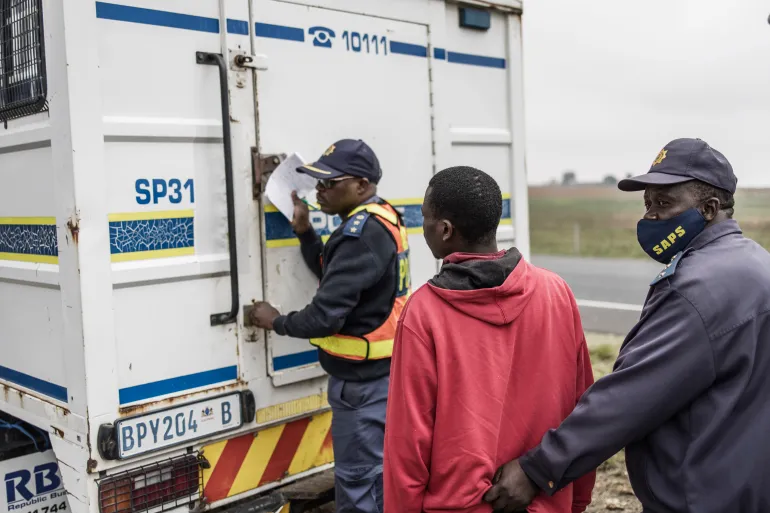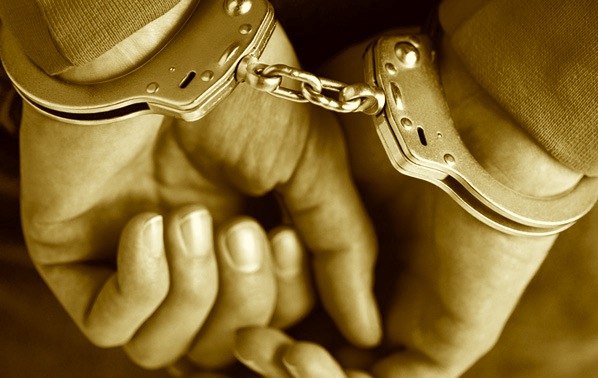
The plight of Zimbabweans wrongfully convicted in South Africa is not just a legal issue but a humanitarian crisis that reflects deep-seated systemic problems within the justice system. To address this, a robust combination of advocacy and legal reform is essential. This article explores the critical role that advocacy groups and legal reforms play in preventing wrongful convictions, with a focus on Zimbabwean immigrants in South Africa.
Advocacy: A Voice for the Voiceless
Raising Awareness
Advocacy groups like Justice Denied play a crucial role in raising awareness about wrongful convictions. By publicizing cases and highlighting the systemic issues that lead to these injustices, they educate the public and policymakers about the urgent need for reform. Awareness campaigns can shift public perception, reduce xenophobia, and promote a more just and equitable society.
Mobilizing Public Support
Effective advocacy involves mobilizing public support to create pressure for change. Grassroots movements, community organizing, and partnerships with other human rights organizations can amplify the call for justice. Public demonstrations, petitions, and social media campaigns are powerful tools that can draw attention to wrongful convictions and demand action from those in power.
Providing Support to Victims
Advocacy groups also provide critical support to victims of wrongful convictions and their families. This support can include legal assistance, emotional and psychological counseling, and help with reintegration into society. By offering a lifeline to those affected, these organizations play a vital role in the recovery and rehabilitation process.
Legal Reform: Building a Fairer System
Enhancing Legal Representation
One of the most effective ways to prevent wrongful convictions is to ensure that all individuals have access to competent legal representation. Legal reforms should focus on increasing funding for public defenders and legal aid organizations, particularly those serving marginalized communities such as Zimbabwean immigrants. Initiatives to train and recruit more defense attorneys can help address the imbalance of resources between prosecution and defense.
Reforming Identification Procedures
Eyewitness misidentification is a leading cause of wrongful convictions. Legal reforms should mandate the use of best practices in identification procedures, such as double-blind lineups and sequential photo arrays. Implementing these practices can significantly reduce the risk of misidentification and enhance the reliability of evidence presented in court.
Strengthening Oversight and Accountability
Addressing police misconduct is crucial for preventing wrongful convictions. Legal reforms should establish or strengthen independent oversight bodies to investigate allegations of misconduct and ensure accountability. These bodies must have the authority to impose sanctions and mandate training programs focused on ethical conduct and anti-bias education for law enforcement officials.
Ensuring Fair Trials
Legal reforms must also focus on ensuring that all individuals receive fair trials. This includes upholding the rights to a speedy trial, the presumption of innocence, and protection against self-incrimination. Measures to prevent prosecutorial misconduct, such as withholding exculpatory evidence, are essential for maintaining the integrity of the justice system.
Case Studies in Advocacy and Legal Reform
The Exoneration of Innocent Individuals
Case studies of exonerated individuals highlight the importance of advocacy and legal reform. For example, the case of John Maseko, a Zimbabwean wrongfully convicted of murder, showcases the impact of effective advocacy. Advocacy groups brought attention to the flaws in the case, leading to a reinvestigation and eventual exoneration. Legal reforms, such as improved forensic procedures and better legal representation, were critical in achieving justice.
Policy Changes and Their Impact
Policy changes driven by advocacy efforts have led to significant improvements in the justice system. In response to public pressure, South Africa implemented reforms to its eyewitness identification procedures, reducing the risk of misidentification. These changes have already had a positive impact, with fewer wrongful convictions being reported in recent years.
The Road Ahead: Continuing the Fight for Justice
Building Stronger Advocacy Networks
To continue the fight against wrongful convictions, it is essential to build stronger advocacy networks. Collaboration between local and international human rights organizations can enhance the effectiveness of advocacy efforts. Sharing resources, expertise, and strategies can amplify the impact and drive meaningful change.
Promoting Legal Education and Training
Legal education and training are vital components of preventing wrongful convictions. Law schools and legal institutions should incorporate training on wrongful convictions, forensic science, and ethical practices into their curricula. Continuing education programs for practicing attorneys and judges can also help keep them informed about the latest developments and best practices in the field.
Engaging the Community
Community engagement is crucial for creating a culture of justice and fairness. Advocacy groups should work closely with communities to raise awareness about the rights of individuals and the importance of a fair legal system. Educational programs, workshops, and community forums can empower individuals to advocate for themselves and others.
Leveraging Technology
Technology can play a significant role in preventing wrongful convictions. Advances in forensic science, such as DNA testing and digital evidence analysis, have already proven to be invaluable tools in exonerating the innocent. Legal reforms should encourage the use of these technologies and ensure that they are accessible to defense attorneys.
Fostering International Cooperation
International cooperation can enhance efforts to prevent wrongful convictions. Sharing knowledge, expertise, and best practices with other countries can help South Africa improve its justice system. International human rights organizations and legal bodies can provide support and resources to local advocacy groups and legal professionals.
Conclusion: A Collective Responsibility
Preventing wrongful convictions, especially among vulnerable groups like Zimbabwean immigrants in South Africa, is a collective responsibility. It requires the concerted efforts of advocacy groups, legal professionals, policymakers, and the broader community. By raising awareness, mobilizing support, implementing legal reforms, and providing comprehensive support to victims, we can create a justice system that truly upholds the principles of fairness and equity.