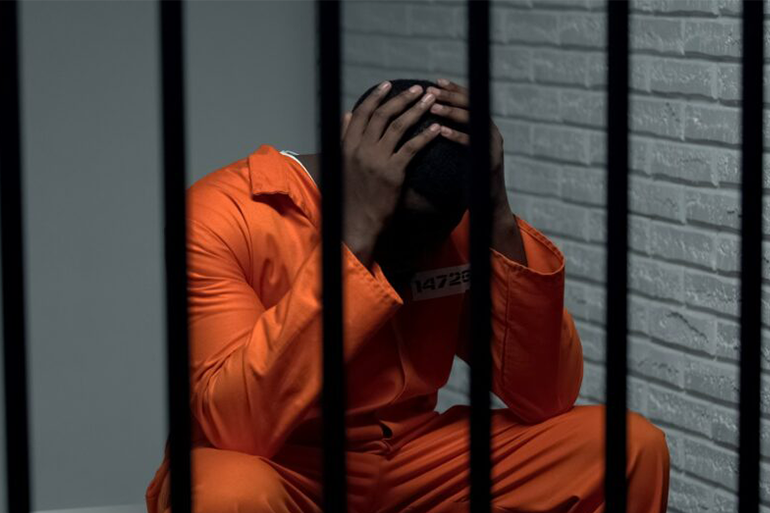
Wrongful convictions carry devastating consequences that extend far beyond the walls of a prison cell. For Zimbabweans wrongfully convicted in South Africa, the psychological and social impacts are profound and multifaceted. This article delves into the emotional, mental, and social repercussions of wrongful convictions on Zimbabweans, exploring the lasting effects on individuals, families, and communities, and discussing the critical need for comprehensive support systems and societal change.
The Psychological Toll of Wrongful Convictions
Emotional Trauma
The experience of being wrongfully convicted is a harrowing ordeal that inflicts severe emotional trauma. Individuals may suffer from depression, anxiety, and post-traumatic stress disorder (PTSD). The loss of freedom, coupled with the stigma of being labeled a criminal, can lead to feelings of helplessness, despair, and isolation.
Identity and Self-Worth
Wrongful convictions can profoundly affect an individual’s sense of identity and self-worth. Being accused and convicted of a crime one did not commit can shatter a person’s self-image, leading to a loss of confidence and self-esteem. This is particularly damaging for Zimbabweans who have already faced numerous hardships and challenges as immigrants in a foreign land.
Trust and Relationships
The trauma of wrongful convictions often extends to relationships with family and friends. Trust is eroded, not just in the justice system, but in interpersonal relationships as well. Loved ones may struggle to understand the wrongful conviction, and the individual may feel alienated and misunderstood. Rebuilding these relationships can be a long and challenging process.
The Social Impact on Families and Communities
Financial Hardship
Wrongful convictions place a significant financial strain on families. Legal fees, loss of income, and the cost of maintaining contact with an incarcerated family member can deplete savings and push families into debt. For many Zimbabwean immigrants, who already face economic instability, these financial burdens can be overwhelming.
Disruption of Family Dynamics
The wrongful conviction of a family member disrupts family dynamics and can lead to long-term emotional and psychological consequences for all members. Children, in particular, are affected by the absence of a parent, experiencing confusion, anger, and sadness. The remaining family members must navigate the complexities of maintaining normalcy while dealing with the legal battle and emotional fallout.
Community Stigma and Isolation
Communities with high numbers of wrongful convictions may face increased stigma and isolation. Zimbabweans wrongfully convicted in South Africa are often viewed with suspicion and prejudice, further alienating them from society. This marginalization can lead to a breakdown in community cohesion and a lack of support for those affected.
The Struggle for Reintegration
Barriers to Employment
One of the most significant challenges faced by wrongfully convicted individuals upon release is finding employment. The stigma of a criminal record, even if the conviction is later overturned, can deter potential employers. This is particularly problematic for Zimbabweans, who may already face discrimination in the job market due to their immigrant status.
Housing and Social Services
Securing stable housing and accessing social services can also be challenging for wrongfully convicted individuals. The disruption caused by incarceration often means losing previous housing arrangements and struggling to find new accommodations. Social services may be limited or difficult to access, especially for immigrants who face bureaucratic hurdles.
Mental Health Support
Comprehensive mental health support is crucial for the reintegration of wrongfully convicted individuals. Counseling, therapy, and support groups can help address the psychological trauma and aid in the recovery process. Unfortunately, these services are often underfunded and inaccessible, particularly for marginalized communities such as Zimbabwean immigrants.
The Need for Comprehensive Support Systems
Legal Aid and Advocacy
Providing robust legal aid and advocacy is essential for preventing and addressing wrongful convictions. Organizations like Justice Denied play a critical role in offering legal support, raising awareness, and advocating for systemic change. Ensuring that individuals have access to competent legal representation can significantly reduce the risk of wrongful convictions.
Psychological and Emotional Support
Developing comprehensive psychological and emotional support systems is vital. This includes offering counseling services, support groups, and mental health resources to help individuals and families cope with the trauma of wrongful convictions. Community-based programs can provide a network of support and foster resilience.
Economic and Social Reintegration Programs
Economic and social reintegration programs are necessary to help wrongfully convicted individuals rebuild their lives. Job training, employment assistance, housing support, and access to social services can facilitate a smoother transition back into society. These programs should be tailored to address the unique challenges faced by Zimbabwean immigrants and other marginalized groups.
The Role of Society and Government
Policy Reforms
Government policy reforms are essential for addressing the root causes of wrongful convictions. This includes improving legal procedures, ensuring accountability within law enforcement, and enhancing the fairness of the judicial system. Policies should also focus on providing compensation and support for those who have been wrongfully convicted.
Public Awareness and Education
Raising public awareness and education about the issue of wrongful convictions is crucial for fostering a more just and equitable society. Media campaigns, educational programs, and community outreach initiatives can help change public perceptions, reduce stigma, and promote understanding and empathy for those affected.
International Cooperation
International cooperation can also play a role in addressing wrongful convictions. Sharing best practices, resources, and expertise between countries can enhance efforts to prevent and rectify wrongful convictions. International human rights organizations can provide support and advocacy on a global scale.